


Picture Nowruz. You turn the key and open the villa door. The first thing to greet you is the smell: damp, stale air that wasn’t there in autumn. You turn on the tap, take a hot shower to shake off the drive, and switch on the boiler to warm the house.
Those three things happened in exactly the wrong order. A villa locked from autumn to spring isn’t really left alone: cold, humidity, the water sitting in the pipes and a chimney nobody has looked at all quietly get on with their work for months. This article is about those months — what to do on the last day of autumn, and in what order to do things on the first day of spring.
The last day of autumn, before you lock the door
Water in the pipes: don’t underestimate a northern winter
Many people think frozen pipes belong to Tabriz or Hamedan, not the Caspian coast. Yet Babolsar’s record low, right by the sea, is −7°C for both December and January. Villas in the foothills and forests, higher than the coast, are usually colder still.
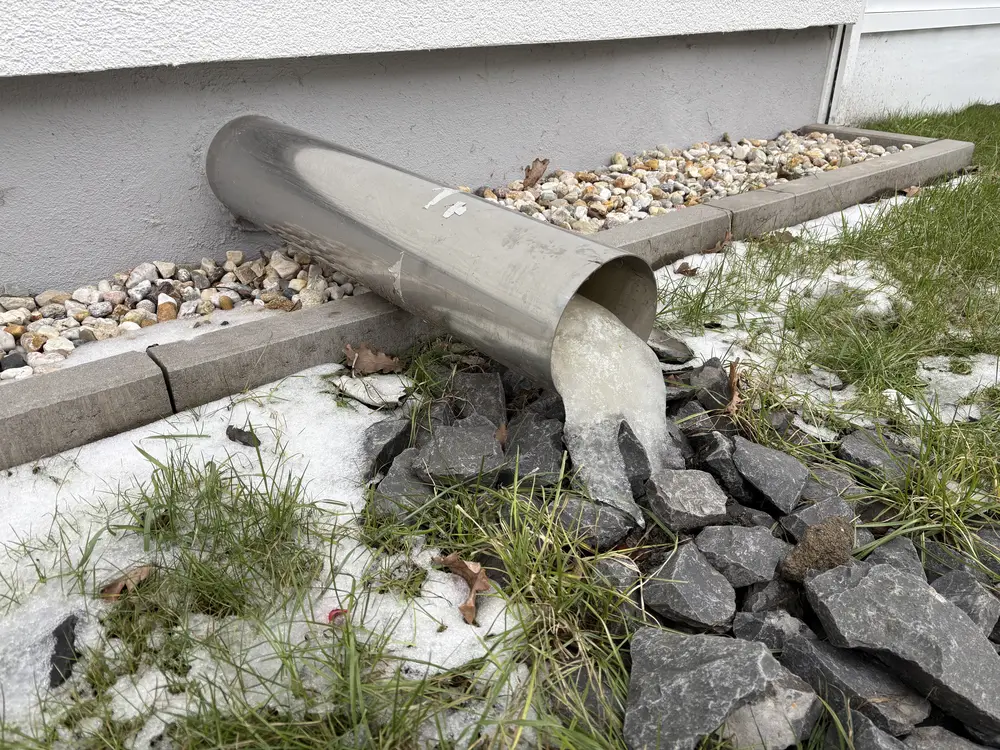
The trouble is the water itself. The American Red Cross explains that water expands as it freezes, and that expansion can break a pipe, metal or plastic. The same source lists the pipes that freeze most often:
- pipes exposed to severe cold: outdoor taps, swimming pool supply lines and sprinkler lines;
- pipes in unheated spaces: basements, attics, garages, even inside kitchen cabinets;
- pipes running along exterior walls with little or no insulation.
The last-day routine is simple. Close the main water valve. Drain the outdoor taps and leave them open, so any water left in the pipe has room to expand. Drain the pool and irrigation lines following the installer’s instructions. If you leave the heating on, the Red Cross says not to set it below 55°F (about 13°C).
Just note that “draining” does not mean the pool itself. On land with a high water table, an empty pool can rise like a boat — we explained why in villa pools and high groundwater.
Sources: American Red Cross — Frozen Pipes; Babolsar — Wikipedia (NOAA data)
Humidity: a closed house, stale air
In Babolsar, outdoor relative humidity from December to February averages 82–84%. Now put that air inside a house that is neither heated nor aired.
The US Environmental Protection Agency (EPA) sums up mould in one sentence: “The key to mold control is moisture control.” Its advice is to keep indoor humidity below 60%, ideally between 30 and 50%, and to dry anything that gets wet within 24–48 hours to prevent mould.
So a towel left damp in the bathroom on the last day, or a rug not fully dry after its last wash, has months to grow mould before spring. On the last day, leave nothing wet behind. Leave wardrobe and room doors open so air doesn’t get trapped in corners. If you leave a dehumidifier running, connect its hose to a floor drain so the tank doesn’t fill up and switch it off mid-winter. We covered dew point and condensation in detail in humidity, mould and condensation in northern villas.
Sources: EPA — A Brief Guide to Mold, Moisture and Your Home; Babolsar — Wikipedia (NOAA data)
The first day of spring: order matters
Back to that Nowruz morning. This time, in this order:
1. Windows first
Before anything else, open the windows and let months of stale air out. If you smell sewage, the water in the drain traps has probably dried up. In its guidance on reopening buildings after a long closure, the US Centers for Disease Control and Prevention (CDC) warns about sewer gases entering through dry drain traps. The fix is easy: pour some water into every floor drain and sink so the trap seals again.
2. Boiler and heaters — after a look at the chimney
This is the most important part of this article. The head of Mazandaran’s Legal Medicine Organization reported that in the Iranian year 1404 (2025–26), 52 people in the province died of carbon monoxide poisoning — 44% more than the year before. Most deaths came in Esfand (9) and Bahman (8), the late-winter months.
Those figures don’t say how many happened in villas, and we don’t claim they did. But the CDC has a warning that might have been written for a northern villa: chimneys can be blocked by debris, letting CO build up inside a “home or cabin”. A chimney unused for months is a good place for leaves, dirt and birds’ nests.
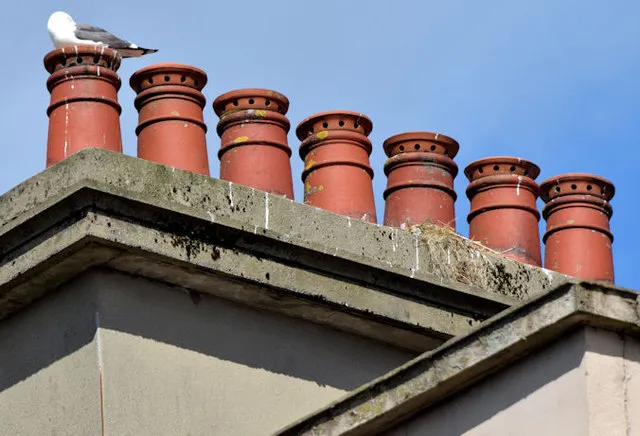
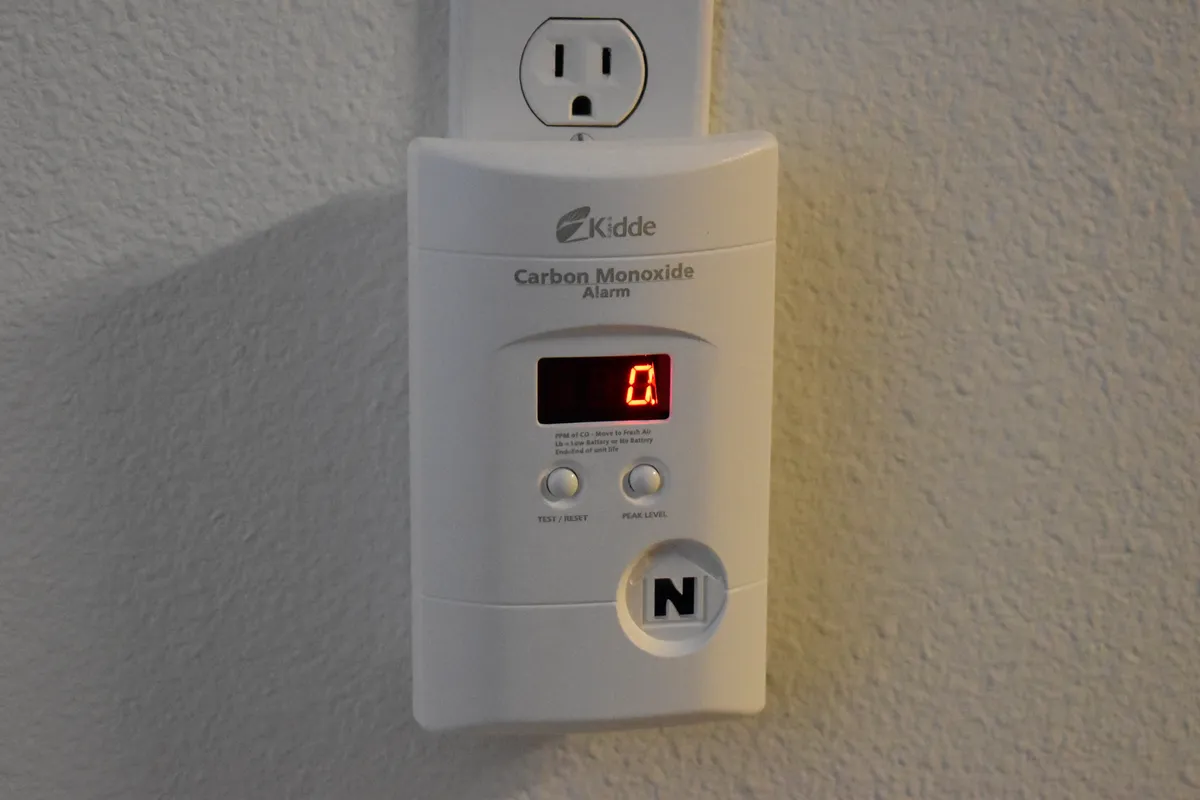
The CDC’s advice is clear: have the chimney checked or cleaned every year, have the heating system serviced every year, and keep a carbon monoxide detector whose batteries you check every spring and autumn. So on the first day, before lighting the boiler or a heater, look at the top of the chimney first.
Know the symptoms too. The CDC lists headache, dizziness, weakness, upset stomach, vomiting, chest pain and confusion. If anyone feels any of these after the heater comes on, Mazandaran’s Legal Medicine Organization advises: get the person into fresh air first, open the windows, and take them to a medical centre as quickly as possible.
Sources: Mehr News Agency, 22 April 2026 — interview with the head of Mazandaran’s Legal Medicine Organization (in Persian); CDC — Carbon Monoxide Poisoning
3. The hot shower comes last
Water that has sat for months in the pipes and the water-heater tank is no longer fresh. The CDC says stagnant water in plumbing can increase the risk of growth and spread of Legionella, the bacterium behind Legionnaires’ disease, a type of pneumonia. Hot water that sits cools into the range the bacterium likes, and the water’s disinfectant gradually fades.
The World Health Organization says Legionella grows at 20–50°C, best at 35°C, and that the main route of infection is breathing in tiny droplets of contaminated water — exactly what a hot shower produces. It reports the death rate as usually 5–10%.
So before the first shower, open every tap — cold first, then hot — and let the stale water run out until fresh water arrives. Keep your face out of the stream; when flushing pipes, the CDC advises keeping splashing and spray to a minimum. Set the water heater to at least 60°C: both the CDC and the WHO give this figure for water leaving the heater. Just make sure water that hot doesn’t scald children’s hands.
A fair caveat: the CDC guidance was written for buildings such as schools and childcare facilities, not specifically for homes. But its logic — water left in the pipes for months — applies just the same to a villa that was closed all winter.
Sources: CDC — Reopening Buildings Guidance; WHO — Legionellosis
Our part as architects: a villa that’s easy to put to sleep for winter
Most of the steps above are a checklist. But some, if they weren’t planned into the drawings from day one, become hard or expensive later:
- Main valve and drain valve: the main water valve where it’s easy to reach, and a drain valve at the lowest point of the plumbing so the whole system can be emptied.
- Pipe routes: no water pipes inside poorly insulated exterior walls, cold attics or garages — exactly the places the Red Cross says freeze most.
- An accessible chimney: a cap on top, and a safe way to inspect it every year.
- A place for the dehumidifier: a socket and a floor drain side by side, where air can circulate, so it can run all winter without stopping.
- Remotely controlled heating: to hold a minimum winter temperature, and to warm the house before you arrive.
All of it at a glance
| When | What | Why |
|---|---|---|
| Last day | Main valve off; outdoor taps, pool and irrigation lines drained | Water expands as it freezes |
| Last day | Nothing left wet; doors open; dehumidifier to a drain | Outdoor humidity is 82–84% |
| First day | Windows open; water into the floor drains | Sewer gas from dry traps |
| First day | Chimney first, then boiler and heaters | Carbon monoxide |
| First day | Taps first, then shower; heater at 60°C | Stagnant water and Legionella |
A villa that will spend most of the year waiting for you is designed differently from day one. If you’re building a villa in Babolsar, Sarkhorud or Babol, let’s talk about it.