


Roof drainage is more than a gutter: follow the water from the roof, through gutters and downpipes, to an appropriate final destination. Roof area, design rainfall, ground conditions and local requirements all matter.
Plan the whole route
Ask your designer where each outlet goes, how overflow is handled, and how pipes can be inspected. Avoid leaving water to pool beside the foundation or directing it onto a neighboring property. The Building America guide discusses roof runoff and foundation protection; local requirements must be checked separately.

Storage and maintenance
Rainwater storage may be considered for non-potable uses, with a safe overflow and a suitable foundation. Roof runoff can carry contaminants; consult a specialist before use on edible plants. Keep tanks closed and maintain screens to reduce mosquito access, as discussed by the EPA.
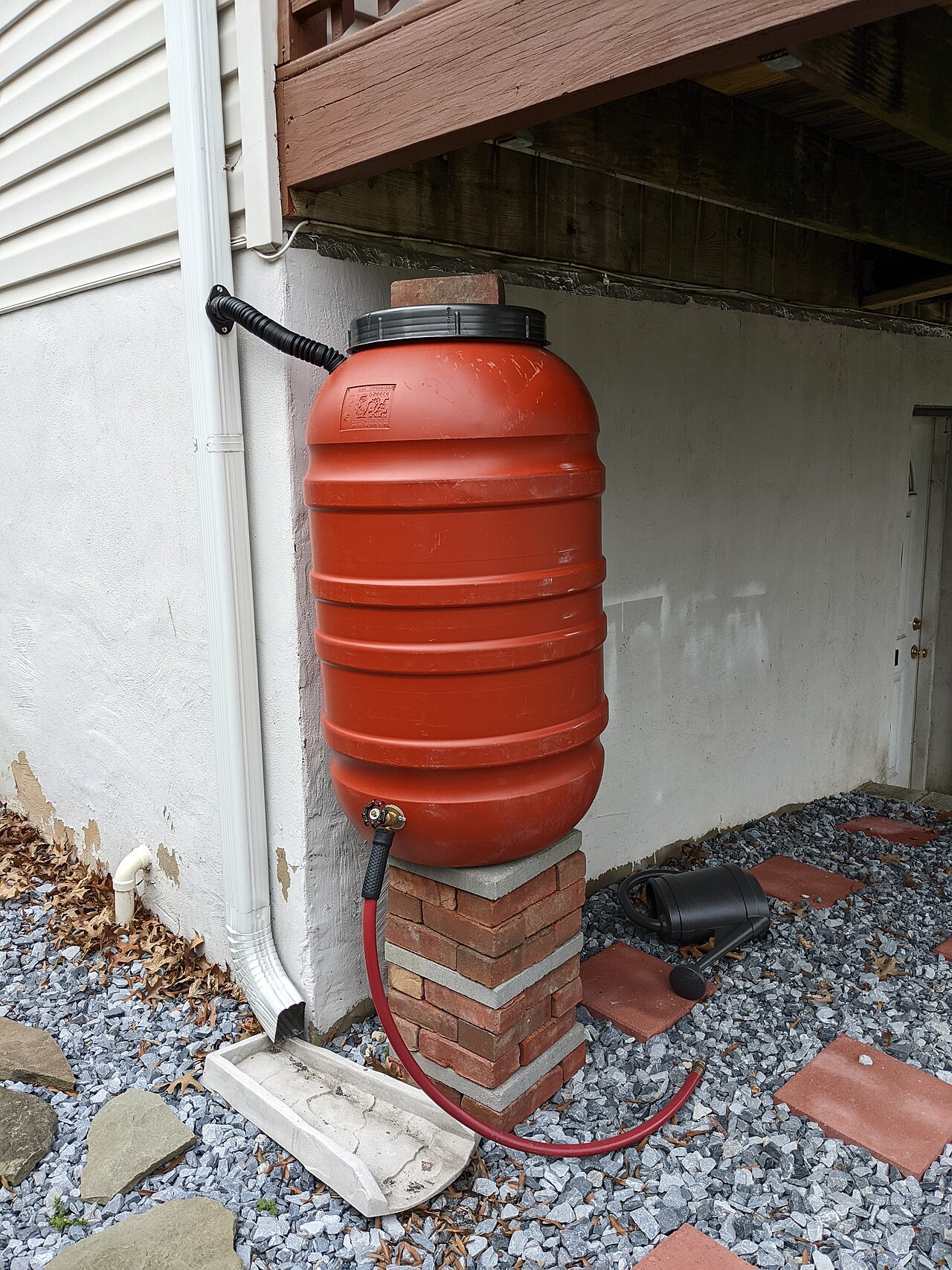
Soil infiltration is not suitable everywhere: assess groundwater, soil and site constraints. Have high or unsafe areas inspected by a qualified professional. Contact Charsou to discuss your project.




No comments yet. Be the first.