
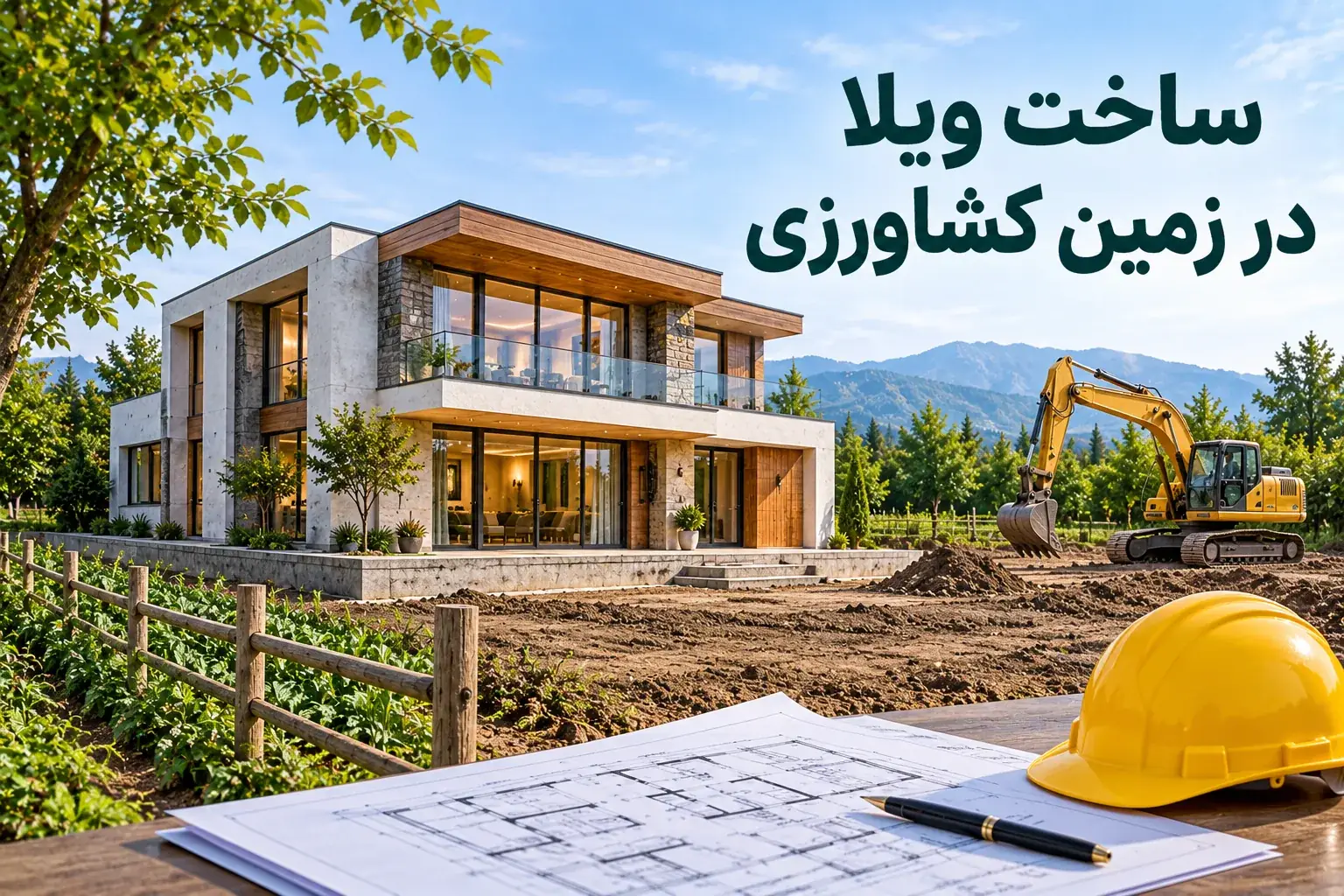
First a fence goes up around a rice field. Then a wall. A few months later a “shed”, and one day there’s a concrete villa in the middle of the farm. In July 2025 a Bazaar News reporter described exactly this pattern on Mazandaran’s farms: walls and fences first, then the villa, bit by bit.
And it’s being caught more, not less. In July 2026 the commander of Mazandaran’s land affairs protection unit said detected land-use violations rose from 625 in 2024–25 to 1,235 in 2025–26, and actions taken under Article 10 of the law rose from about 1,200 to about 2,300.
So the question “can I build a villa on farmland?” needs a better answer than “we’ll sort it out”.
Sources: Bazaar News, 2 July 2025 (in Persian); Sobh-e Amol, citing Mehr, 12 July 2026 (in Persian)
The main rule, in one sentence
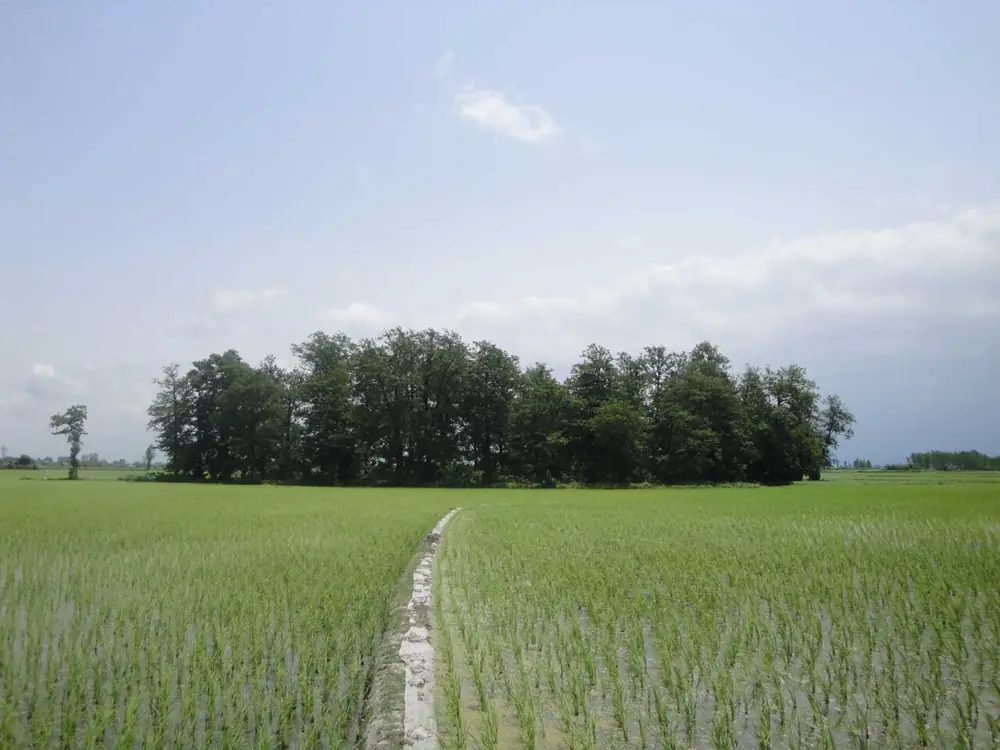
Article 1 of Iran’s Act on Preserving the Use of Farmland and Orchards says changing the use of farmland and orchards outside the legal limits of cities and towns is banned, except where necessary. What counts as “necessary” isn’t decided by you or the seller; it’s decided by a commission in each province chaired by the agriculture organisation. And whether your land is farmland or orchard at all is also for the agriculture department to determine.
Two geographic points confuse many people:
In a village with a guide plan. Land inside the limits of a village’s approved guide plan follows that plan’s rules under Note 5 and is exempt from this law. We covered the route in the villa building permit.
In a city’s surrounding zone. The “zone” isn’t the same as the “limits”. According to an advisory opinion from the judiciary’s Legal Department, an owner of farmland or orchard in a city’s surrounding zone must first get a land-use change permit from this commission, then apply for the municipal permit.
Sources: Act on Preserving Farmland and Orchards, Article 1 — Ekhtebar (in Persian); Advisory opinion 7/1402/596 (in Persian)
The “500 m²” story
You’ll hear this a lot: “Up to 500 metres for your own home is allowed.” The number 500 really is in the law, but somewhere else.
Article 2 says that whenever a land-use change permit is granted, 80 percent of the land’s current value, counting its value after the change, is charged as a fee. Note 1 of the same article says changing use for the owners’ own residence, up to 500 m² and only once, is exempt from this fee.
So 500 m² is a fee exemption, not permission to build. The commission must first confirm the change of use is necessary; then, if it’s for the owner’s own home, up to 500 m² is exempt from that 80 percent. Anyone who treats the number as a “permit” and builds has made exactly the unauthorised change of use.
Source: Article 2 and Note 1 — Ekhtebar (in Persian)
What doesn’t count as a change of use?
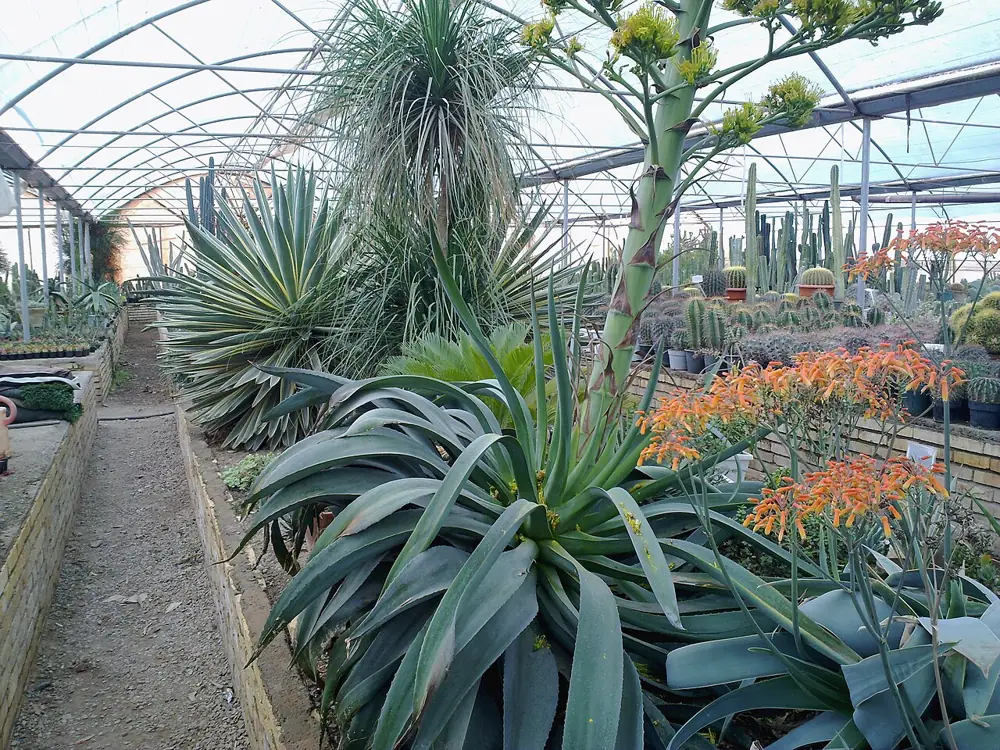
Note 4 of Article 1 lists things the law treats as “optimising agricultural production”, not changes of use: greenhouses, livestock and poultry farms, fish farming and other agricultural production, and processing and food workshops in villages. These aren’t entirely free either; environmental rules apply and the provincial agriculture organisation must agree.
A villa isn’t on this list. And calling a residential building a “shed” or “workers’ hut” doesn’t change its use.
Source: Article 1, Note 4 — Ekhtebar (in Persian)
If it’s built without a permit
The penalties are in Article 3 and they aren’t small:
- Demolition of the building.
- Plus a fine of one to three times the land’s value, at today’s price for the new use the offender intended.
- For a repeat offence, the maximum fine and one to six months in prison.
Article 10 also lets the agriculture department stop the work: its officers must halt it, and if it continues, the police step in. Mazandaran’s 2,300 actions come under this article. The text of the law says the officers demolish the building “themselves” with a prosecutor’s representative present, but the judiciary’s Legal Department said in an advisory opinion that this demolition is possible only after a court hearing and ruling, not before.
Sources: Articles 3 and 10 — Ekhtebar (in Persian); Advisory opinion 7/98/1150 (in Persian)
“But we got water and electricity!”
Many people take a water or power connection as a sign of legality. Article 8 says the opposite: issuing any permit or building licence, and supplying water, electricity, gas or telephone to farmland and orchards, is only allowed after the commission’s approval, and an official who does otherwise is punished.
Mazandaran’s protection unit has also said some agencies supplied services to offenders. So having a meter isn’t permission to build.
Sources: Article 8 — Ekhtebar (in Persian); Bazaar News, July 2025 (in Persian)
Where is your land?
| Land | Route to build |
|---|---|
| Inside city limits | Detailed plan rules and a municipal permit |
| Inside a village’s approved guide plan | Guide plan rules; this law doesn’t apply |
| Farmland or orchard in a city’s surrounding zone | Land-use commission first, then the municipal permit |
| Farmland or orchard outside all of these | Only with the commission’s approval, for “necessary” cases |
The right order, if you own or want to buy farmland
1. Ask the agriculture department whether the land counts as farmland or orchard, and which limits it falls within. That determination is theirs.
2. Apply to the commission if needed. The law gives the agriculture organisation two months from receiving a request to reply. If a permit is granted, the land is valued for the fee by a three-person commission.
3. Then the deed and permit. Settle the deed under the new registration law, then move on to the permit and design. If you haven’t bought yet, see the land-buying checklist too.
This article is general information, not legal advice; especially if a building already stands on the land, speak to a lawyer or the county agriculture office.
If your land in Babol, Babolsar, Sarkhorud, Amol or Sari has cleared these steps and it’s time for design, let’s build a villa that’s both legal and right for its land.
No comments yet. Be the first.