


Is a north-facing or south-facing villa always better? Neither label alone tells you how comfortable or bright a home will be. The site, window direction, neighbouring shade, seasons and the way you use rooms all matter. Here “north” describes northern Iran; compass directions below are geographic directions.
Site, building and window orientation are different
Property advertisements may use directional labels to describe the plot’s position relative to the street. Check where the building sits and which way each important window faces instead of relying on a label. Photos are useful, but a site survey and review of the applicable rules may still be needed.
How the directions affect daylight
In Iran, south-facing windows can receive direct sun; a carefully designed horizontal overhang can help control high summer sun while admitting some lower winter sun. East-facing windows often receive morning sun, and west-facing windows afternoon sun. Low-angle east and west sun is harder to block with a horizontal overhang alone. North-facing windows often provide softer diffuse daylight. Weather, season and obstructions change the result.
The US Department of Energy window guide discusses window orientation and shading. Its climate examples are US-specific and should not be treated as a prescription for an Iranian site.
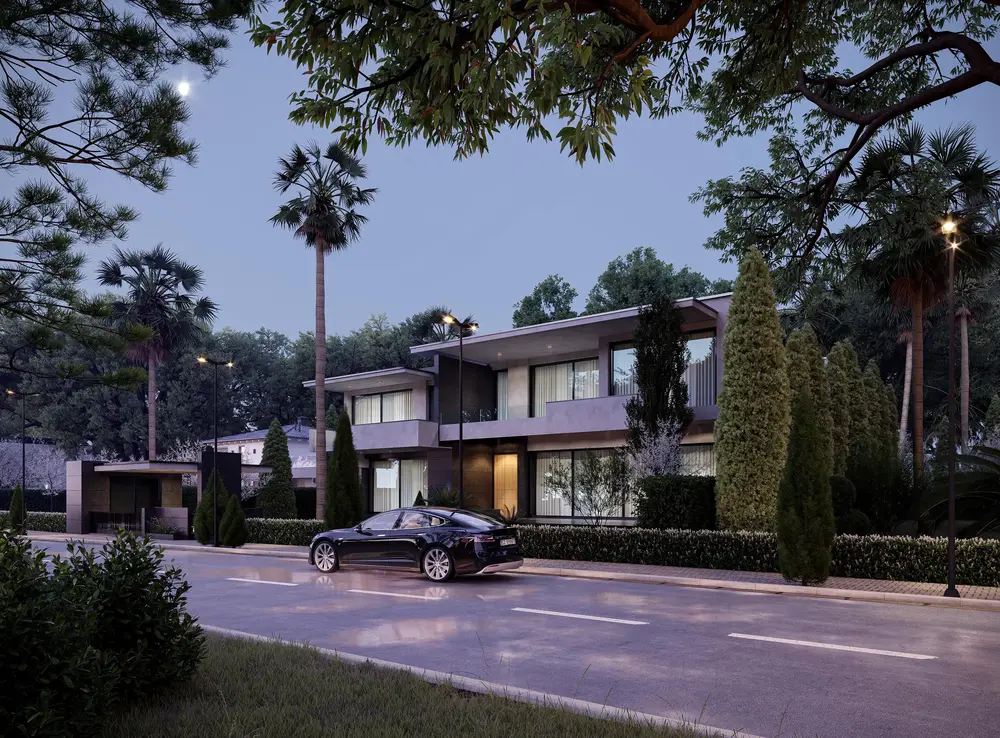
Inspect shadows and plan for comfort
Visit the plot at different times where possible, note nearby buildings, trees and slopes, and ask for seasonal sun and shadow analysis. A single site visit cannot show every season. More direct sunlight is not always better: a west-facing room can become hot or glary in the afternoon, while a heavily shaded room may lack daylight on cloudy days.
Glazing and the view
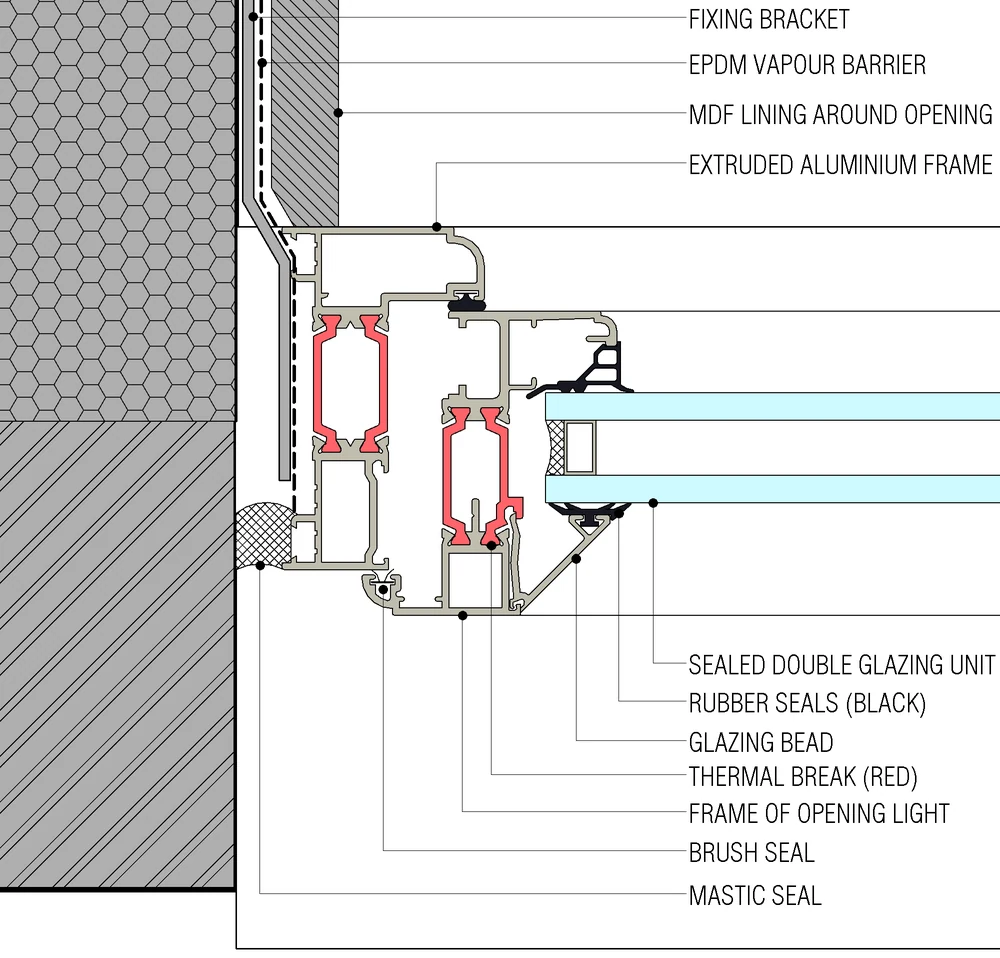
Window size is only one factor; placement, room depth, glass properties, frame, shading and privacy matter too. A good view facing west does not need to be abandoned: assess appropriate shading and glazing for the site. A north-facing view can offer diffuse daylight. Avoid assuming that double glazing alone describes a whole window’s performance.
Before you decide
Ask where key windows face; how nearby objects shade them in different seasons; when rooms are used; and how views, privacy, heat and ventilation are balanced. There is no universal best direction. Contact Charsou to discuss your own site.



No comments yet. Be the first.