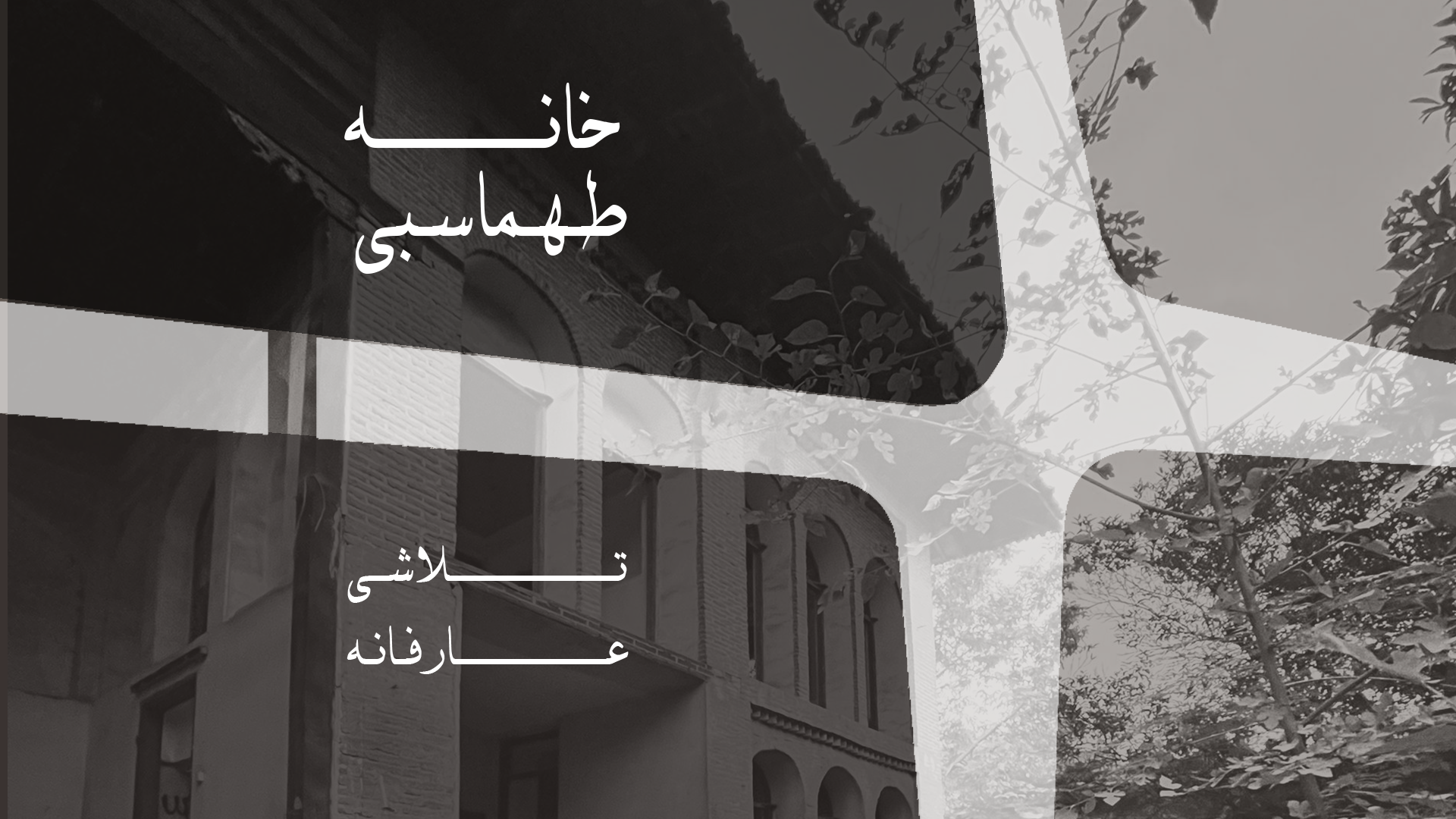
Third Narrative | Tahmasebi House of Babol and the influence of culture on the house’s form
Tahmasebi House in Babol through Rapoport’s lens: why a house is a cultural institution before a physical structure, and how culture shapes its form.

Tahmasebi House in Babol through Rapoport’s lens: why a house is a cultural institution before a physical structure, and how culture shapes its form.
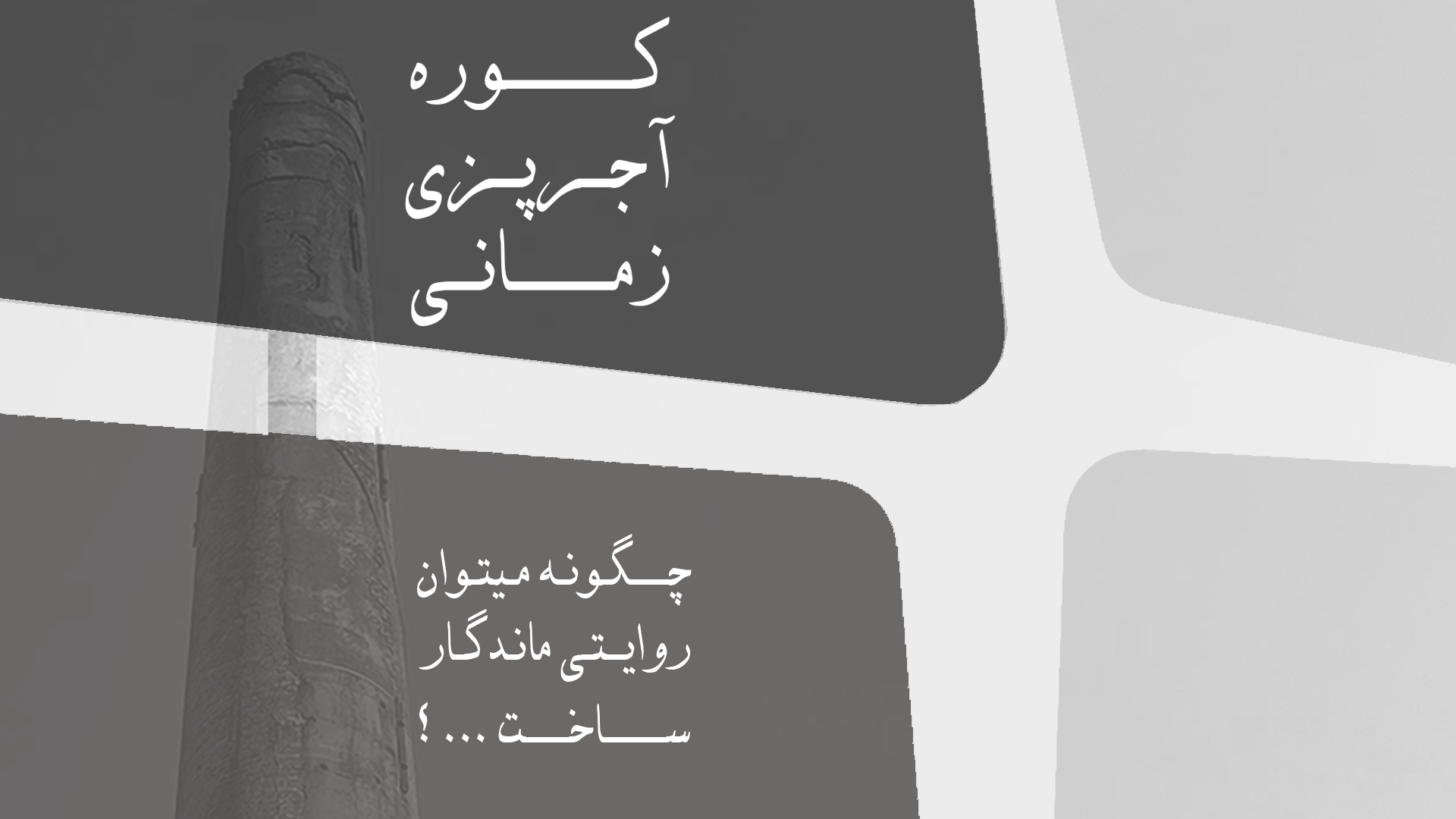
The Zamani brick kiln of Babol — why architectural history is not merely a record of the past, but both a cultural identity and a tool for building the future.
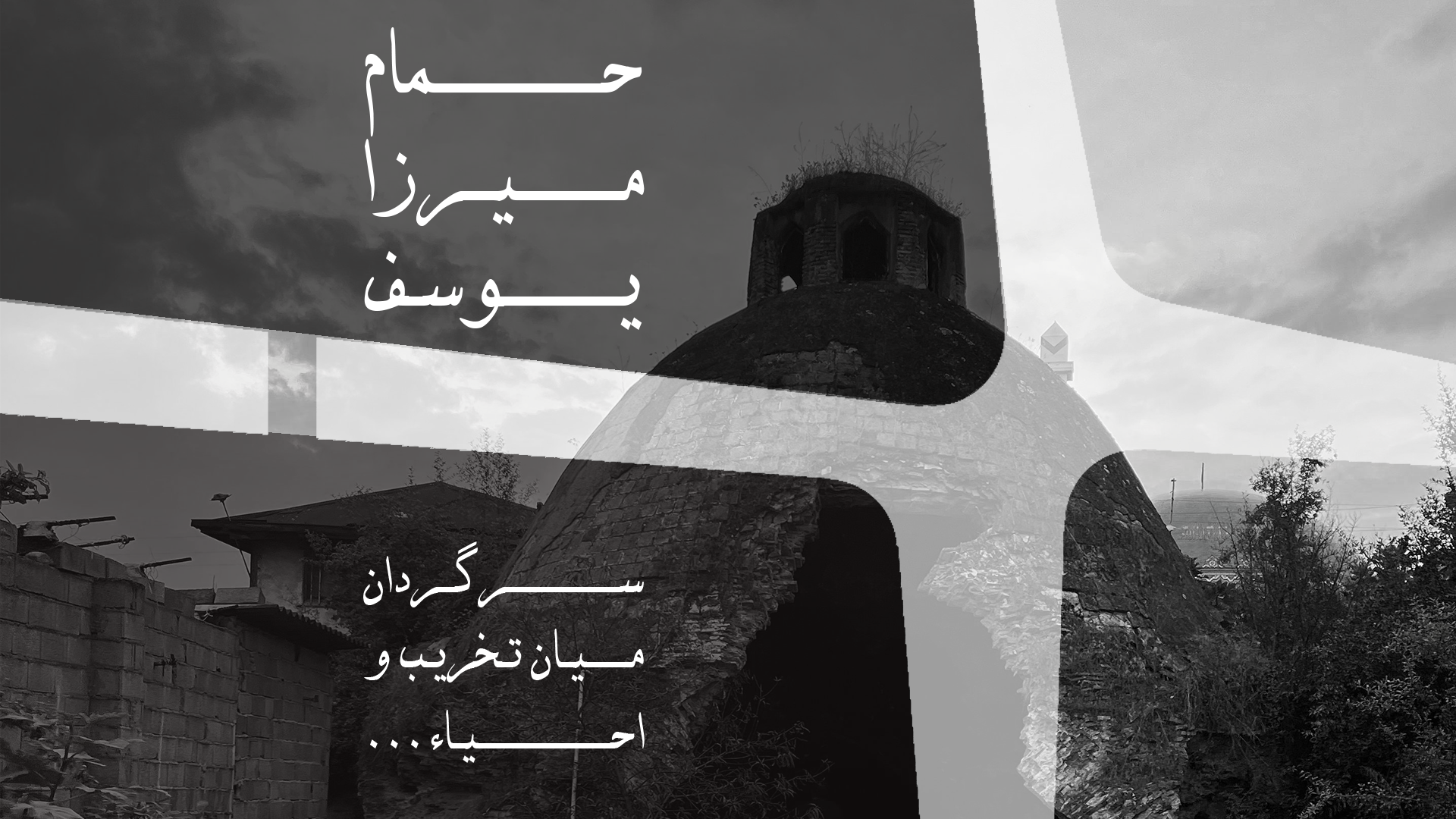
Mirza Yousef Bathhouse, a registered national monument in Babol — in use until less than twenty years ago, set apart by its unusually large sarbineh.
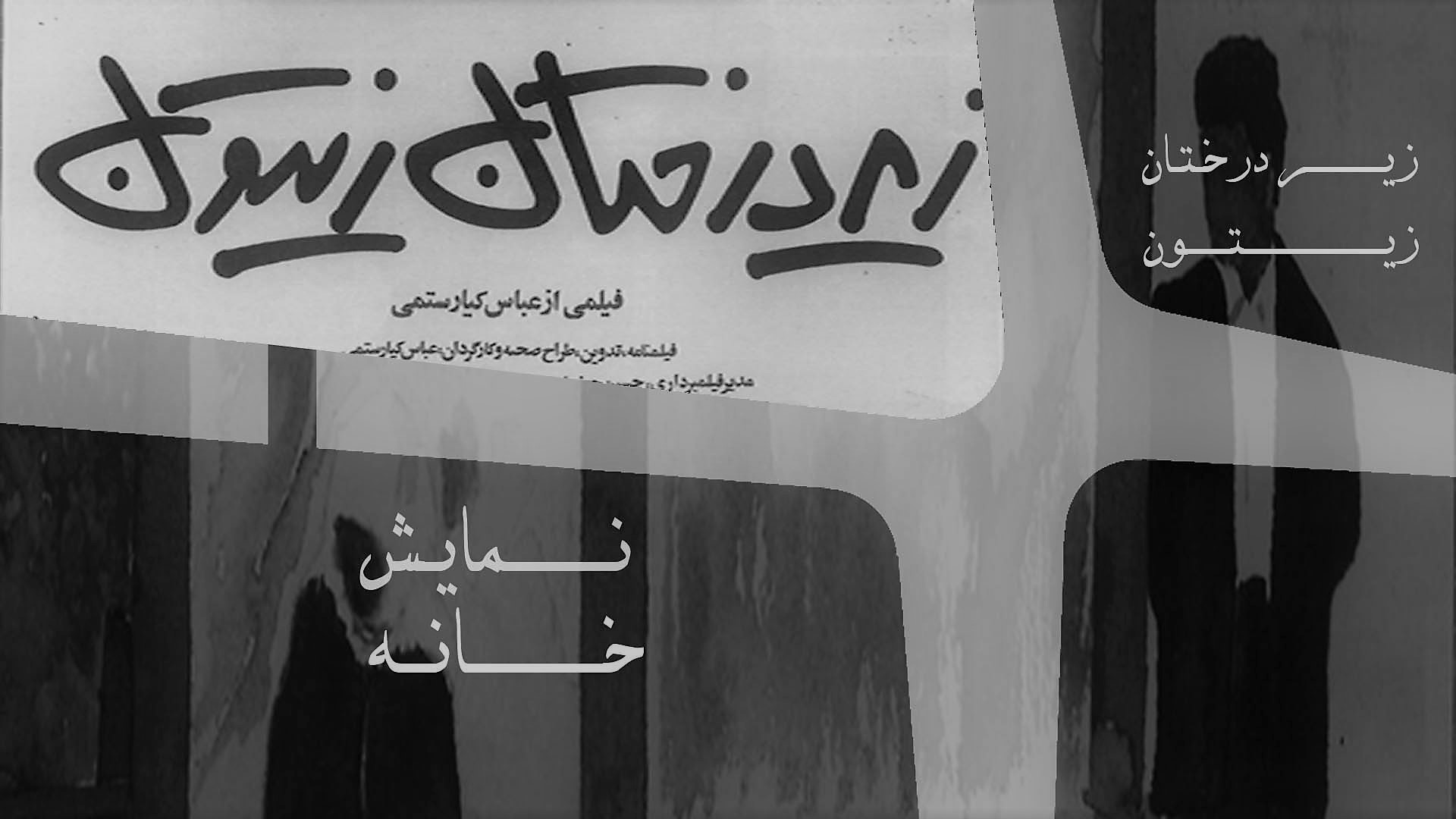
Kiarostami’s Through the Olive Trees, part of the Koker trilogy — Iran’s entry in The New Yorker’s list of the best films in seventy years of Cannes.
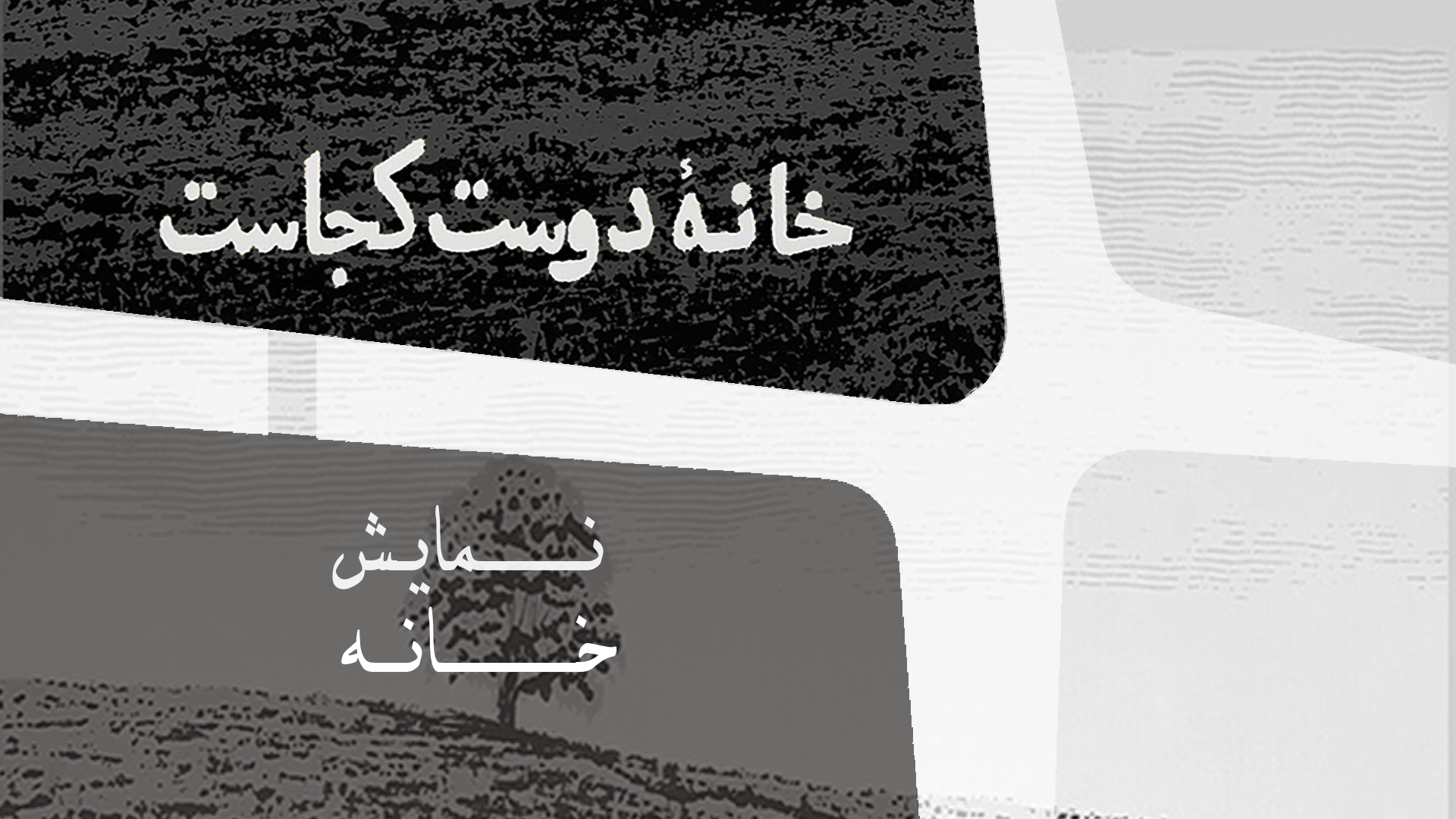
Kiarostami’s Where Is the Friend’s House — Bronze Leopard winner at Locarno 1989, and among the BFI’s 50 films to see before turning twelve.

In architecture water does more than sustain life; it shapes form. Why pitched roofs and correct runoff drainage matter so much in a rainy climate.

Soil is architecture’s hidden narrator — from stone holding history within it to warm brick recounting the story of walls. A journey into materials.

Wind is not only a source of renewable energy, but it also plays a significant role in architectural design.

Sunlight is not only illumination; it shapes the depth and feeling of a space — from openings to the coloured glass rooted in Iranian architecture.
Questions about designing or building your project? Call us, or leave a message.